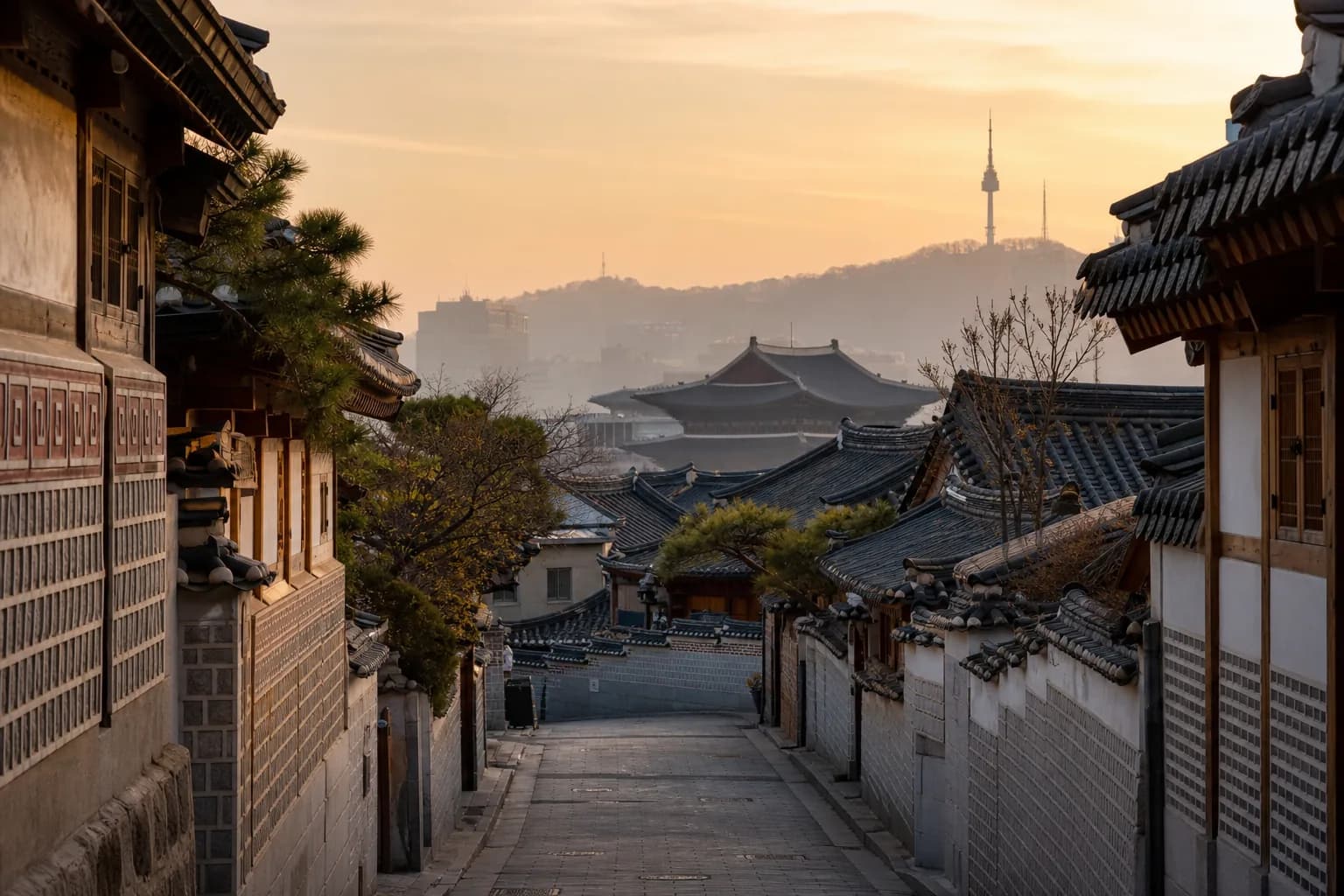
Spring: Blossoms and Mild Temperatures
Spring in Seoul, spanning March to May, is marked by moderate temperatures and the blossoming of cherry and azalea flowers. This season provides a comfortable climate for outdoor activities and sightseeing, with average temperatures ranging from 8°C to 18°C. Visitors can enjoy city parks and riverfronts where floral displays are prominent. It is advisable to verify the exact timing of blossom periods annually, as they can vary due to weather conditions.
Summer: Warm and Humid with Rainfall
June through August brings warm and humid conditions, with temperatures often exceeding 25°C. The monsoon season typically occurs in July, resulting in heavy but usually short-lived rainfall. Travelers considering summer visits should prepare for humidity and potential rain interruptions. While urban attractions remain accessible, outdoor excursions may require flexible planning. Appropriate travel insurance covering weather-related disruptions is recommended.
Autumn: Crisp Air and Vibrant Foliage
Autumn, from September to November, is widely regarded as an optimal time to visit Seoul. The weather is crisp and clear, with temperatures generally between 10°C and 20°C. Fall foliage transforms parks and mountainous areas into vivid displays of red, orange, and yellow. This season favors outdoor exploration and cultural events. Accommodation availability tends to be stable, though advance booking is suggested during peak foliage weeks.
Winter: Cold with Occasional Snow
Winter months, December through February, are characterized by cold temperatures, often dropping below freezing, and occasional snowfall. While the city’s urban environment remains vibrant, visitors should prepare for shorter daylight hours and colder conditions. Winter travel can offer unique experiences such as seasonal festivals and indoor cultural activities. Layered clothing and reliable travel insurance for potential weather impacts are advisable.